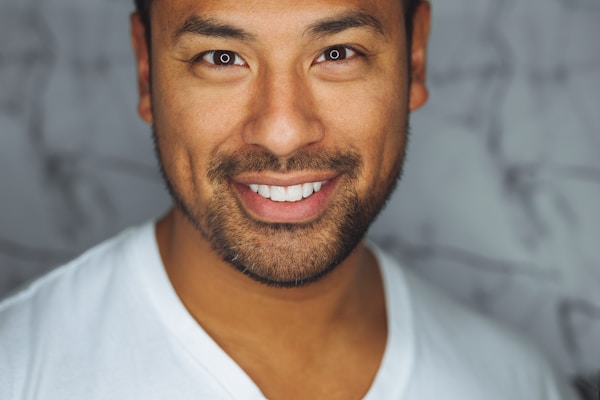
Anti-Aging for Hispanic and Latino Skin
If you're seeking anti-aging guidance specific to people with hispanic/latino skin, you already understand that your needs differ in important ways. divers...
The research on this topic has evolved significantly in recent years.
If you're seeking anti-aging guidance specific to people with hispanic/latino skin, you already understand that your needs differ in important ways. diverse Fitzpatrick range (II-V) with frequent melasma, strong sun tolerance, and variable PIH risk.—and recognizing these differences is the foundation of a routine that actually works for you.
Understanding the Problem
The aging pattern for people with hispanic/latino skin reflects a complex interplay of genetics, hormonal factors, and environmental exposures. diverse Fitzpatrick range (II-V) with frequent melasma, strong sun tolerance, and variable PIH risk. These differences have direct practical implications for which products, ingredients, and procedures will deliver the best results with the lowest risk of adverse effects.
Why This Happens
For people with hispanic/latino skin, evidence-backed active ingredients include broad-spectrum approach: retinoids, vitamin c, tranexamic acid, and consistent spf with iron oxide. Introduce one new active at a time, waiting at least 2-4 weeks between additions. This methodical approach lets you identify what your skin responds to positively and catch any adverse reactions before they become widespread.
Solutions That Actually Work
Potential Risks
For people with hispanic/latino skin, certain treatments need a careful, modified approach: one-size treatments fail this diverse population; individual fitzpatrick assessment guides safe treatment selection. An experienced provider will adjust treatment parameters—energy levels, concentrations, session frequency—to minimize risk while maintaining efficacy. When uncertain, start conservatively and escalate only with professional guidance and monitoring.
Building Your Personalized Routine
Start with three fundamentals: a gentle non-stripping cleanser, a well-formulated moisturizer, and daily SPF 30+ (mineral sunscreens with iron oxide offer additional visible-light protection). From this solid foundation, add targeted actives for your primary concerns. The most impactful additions are typically broad-spectrum approach: retinoids, vitamin c, tranexamic acid, and consistent spf with iron oxide.
Finding the Right Provider
Not all dermatologists have equal experience with people with hispanic/latino skin. Look for providers who demonstrate both cultural competency and specific clinical expertise with your population's skin characteristics. Professional directories, patient reviews, and referrals from community members can help identify the right specialist.
Questions & Answers
Are standard anti-aging products safe for people with hispanic/latino skin?
Most standard ingredients are safe for people with hispanic/latino skin, but optimal concentrations and frequencies often differ from general recommendations. One-size treatments fail this diverse population; individual Fitzpatrick assessment guides safe treatment selection A consultation with an experienced dermatologist ensures your regimen is both safe and effective for your specific needs.
What SPF level is best for people with hispanic/latino skin?
SPF 30+ daily is recommended for everyone, including people with hispanic/latino skin, regardless of baseline melanin levels. UV damage causes cumulative harm to all skin types and worsens concerns like hyperpigmentation. Tinted mineral sunscreens with iron oxide provide the broadest spectrum protection including against visible light.
Moving Forward
Remember: small, consistent steps create dramatic changes over time.