
Lifestyle
·4 min read
Does Smiling More Make You Look Younger?
A 2012 study in Psychology and Aging found that smiling faces were consistently rated as younger than neutral or frowning faces by independent evaluators. ...
Trusted anti-aging guides backed by dermatological research
Browse our lifestyle articles and guides.
78 articles · Page 2 of 2
A 2012 study in Psychology and Aging found that smiling faces were consistently rated as younger than neutral or frowning faces by independent evaluators. ...

Your skin is the largest organ in your body, and like every organ, its health depends on what you feed it. The Mediterranean diet, consistently ranked amon...
Non-caloric sweeteners (stevia, monk fruit, erythritol) don't cause glycation because they're not metabolized into glucose. They're skin-neutral from an ag...

Does a beard protect against aging or make it worse? Learn how facial hair impacts skin health and the best beard care practices for anti-aging.
After 40, nutritional priorities for skin: increase protein to 1.2-1.6g/kg bodyweight (collagen building blocks), emphasize omega-3 fatty acids (anti-infla...
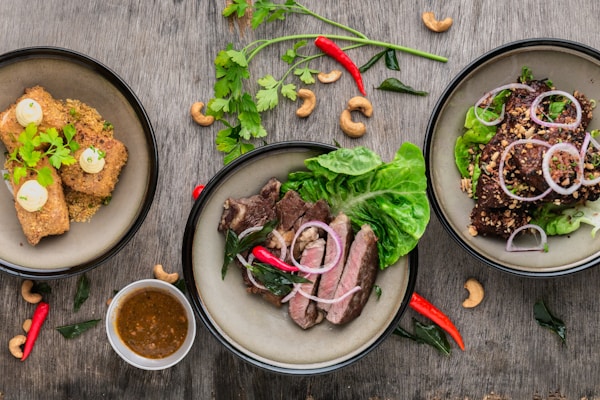
The link between sugar consumption and skin aging isn't a wellness myth—it's a documented biochemical process called glycation. When excess glucose binds t...

Foods that support collagen synthesis: bone broth (collagen amino acids directly), salmon (omega-3 reduces collagen-degrading inflammation), berries (vitam...
Blue light (HEV, 400-500nm) from screens can generate reactive oxygen species in skin, potentially contributing to hyperpigmentation and premature aging. H...

Air conditioning removes moisture from indoor air, typically dropping humidity to 30-40% (skin is healthiest at 40-60%). This accelerates transepidermal wa...

Cocoa flavanols in dark chocolate (70%+ cocoa) provide measurable skin benefits. A 2006 study found that women who consumed high-flavanol cocoa daily for 1...

Regular exercisers tend to look younger than their sedentary peers, and this observation holds up under scientific scrutiny. Exercise doesn't just improve ...
For anti-aging, protein needs are higher than general guidelines suggest: 1.2-1.6g per kilogram of bodyweight daily (vs. the standard 0.8g/kg RDA). Higher ...
Air pollution accelerates skin aging through multiple mechanisms: particulate matter (PM2.5) generates free radicals on the skin surface, ozone depletes th...

The concept of beauty sleep isn't folklore. During deep sleep, growth hormone secretion peaks, cortisol drops, and your skin's repair mechanisms operate at...
Cold water exposure triggers vasoconstriction followed by vasodilation, temporarily improving blood circulation. It reduces inflammation through norepineph...
Intermittent fasting (16:8 or similar) may benefit skin through autophagy activation—the cellular cleanup process that clears damaged proteins and organell...
The Mediterranean diet has the strongest evidence for skin-protective effects: high in antioxidants (colorful fruits and vegetables neutralize free radical...
At higher altitudes, UV radiation increases approximately 10-12% for every 1,000 meters of elevation gain. Combined with drier air, stronger wind, and cold...
Airplane cabin humidity drops to 10-20%—drier than the Sahara Desert. This severely dehydrates skin during long flights. Travel skincare protocol: apply ri...
Smoking is the second most potent accelerator of skin aging after UV exposure. The damage is cumulative, dose-dependent, and in many cases visible to the n...
Chronic stress doesn't just feel terrible—it leaves visible evidence on your face. Elevated cortisol degrades collagen, impairs barrier function, triggers ...
Exercise benefits skin through multiple mechanisms: increased blood flow delivers oxygen and nutrients (the post-workout glow); sweating flushes debris fro...
Side and stomach sleeping compress facial skin against the pillow for hours nightly, creating sleep wrinkles—diagonal lines on the cheeks, chin, and forehe...
Eat daily for anti-aging support: 1) Berries (any type—anthocyanins protect collagen), 2) Leafy greens (vitamin C, lutein, folate), 3) Fatty fish or omega-...
Collagen peptides dissolve in hot coffee without degrading—heat doesn't destroy the beneficial amino acids. Adding 10-15g of collagen peptides to your morn...
There's no clinical evidence that drinking excess water (beyond adequate hydration) improves skin appearance. However, dehydration worsens skin—it reduces ...
Yes—skin begins recovering within weeks of quitting. Timeline: 2-4 weeks—improved circulation returns color and glow; 1-3 months—reduced oxidative stress a...
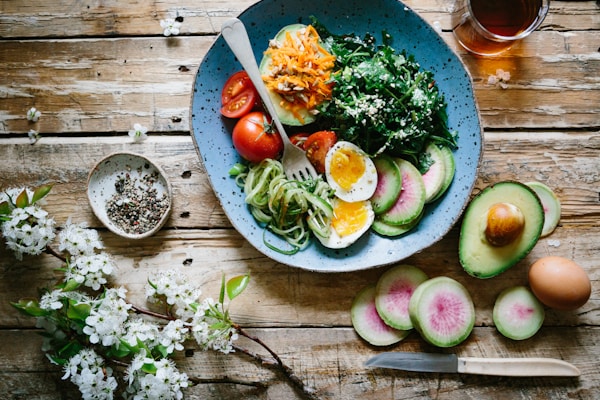
Oil pulling (swishing coconut or sesame oil in the mouth for 15-20 minutes) is an Ayurvedic practice claimed to 'detoxify' and improve skin clarity. No cli...
An ideal anti-aging breakfast combines protein (eggs, Greek yogurt, or smoked salmon for amino acids and collagen building blocks), antioxidant-rich berrie...
Zinc is essential for over 300 enzymatic reactions including collagen synthesis, cell division, wound healing, and immune function. Zinc deficiency causes ...