What Is a Lunchtime Peel? Superficial Peels Explained
A lunchtime peel is a superficial chemical peel with little downtime. What it treats, which acids are used, what results to expect, and safety for darker skin.
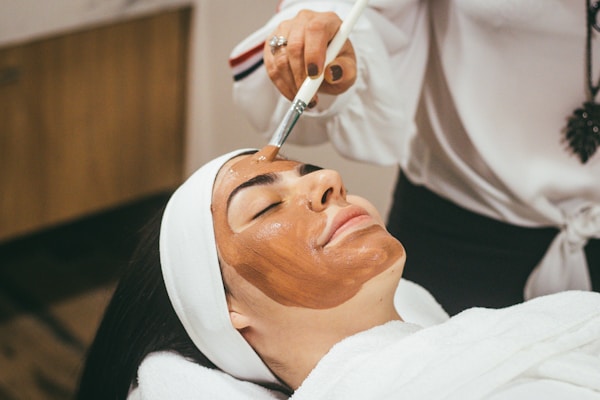
A lunchtime peel is a superficial chemical peel: a light acid treatment that can be done in a short visit with little or no downtime. The short answer: it can brighten skin and improve mild texture and discoloration, especially as a series, but it won't remove deep wrinkles or scars.
How superficial peels work
Chemical peels apply an acid that removes damaged outer layers so new skin can replace them. The International Peeling Society notes that peel depth directly relates to both results and the number of possible complications (Lee et al., J Am Acad Dermatol, 2019). Superficial peels stay in the outer layers, so they're the gentlest option.
Common lunchtime peel acids
| Acid | Notes |
|---|---|
| Glycolic acid (AHA) | Most common; used in a series |
| Lactic acid (AHA) | Often considered gentler |
| Salicylic acid (BHA) | Good for oily, acne-prone skin |
| Mandelic acid | Larger molecule; often used for sensitive skin |
| Jessner's solution | Combination peel, can be layered |
What the evidence shows
- At-home vs in-office: Even daily 5% glycolic acid cream improved texture and discoloration in a 3-month randomized trial (Thibault et al., Dermatol Surg, 1998).
- A series of peels: In a randomized study, three glycolic acid peels (20%, 50%, 70%) reduced crow's feet wrinkle depth over a few weeks, though a retinaldehyde cream did as well with fewer side effects (Rouvrais et al., J Cosmet Dermatol, 2018).
- Darker skin: In a small randomized pilot, serial glycolic acid peels added to a topical regimen gave faster, greater improvement in post-inflammatory hyperpigmentation in skin types IV to VI, with minimal side effects (Burns et al., Dermatol Surg, 1997).
What to expect
- During: tingling or stinging for a few minutes.
- After: mild redness, then light flaking for a few days.
- Return to activities: usually right away.
- Series: several peels a few weeks apart are typical.
Who should be cautious
- People using tretinoin or other retinoids (often paused before a peel)
- People with a recent tan, sunburn, active cold sores, eczema or rosacea flares
- People with darker skin, who should work with someone experienced, since irritation can cause post-inflammatory hyperpigmentation (Davis and Callender, J Clin Aesthet Dermatol, 2010)
Aftercare
- Gentle cleanser and moisturizer.
- No scrubbing or picking at flakes.
- Broad-spectrum SPF 30+ daily (AAD: sunscreen FAQs).
- Restart retinoids and acids when your provider says.
Frequently asked questions
How long do results last? Superficial peel results are modest and need maintenance.
Can I do it before an event? Many people schedule a few days to a week before, in case of flaking.
Lunchtime peel vs HydraFacial? Both are gentle; peels are better studied for pigment and texture.
This article is for educational purposes only and is not medical advice. Talk to a board-certified dermatologist about your situation.
Sources
- Lee KC et al. Basic chemical peeling: superficial and medium-depth peels. J Am Acad Dermatol. 2019. PubMed
- Thibault PK et al. A double-blind randomized clinical trial on the effectiveness of a daily glycolic acid 5% formulation in the treatment of photoaging. Dermatol Surg. 1998. PubMed
- Rouvrais C et al. Antiaging efficacy of a retinaldehyde-based cream compared with glycolic acid peel sessions. J Cosmet Dermatol. 2018. PubMed
- Burns RL et al. Glycolic acid peels for postinflammatory hyperpigmentation in black patients. Dermatol Surg. 1997. PubMed
- Davis EC, Callender VD. Postinflammatory hyperpigmentation. J Clin Aesthet Dermatol. 2010. PubMed
- American Academy of Dermatology. Sunscreen FAQs