
Skincare
·8 min read
How to Remove Blackheads Safely Without Damaging Skin
Blackheads are oxidized sebum plugs in open pores, not dirt. Learn how to clear them with BHA, retinoids, gentle extraction, and barrier-safe habits.
Trusted anti-aging guides backed by dermatological research
Browse our skincare articles and guides.
196 articles · Page 2 of 5
Blackheads are oxidized sebum plugs in open pores, not dirt. Learn how to clear them with BHA, retinoids, gentle extraction, and barrier-safe habits.

Physical (mineral) and chemical sunscreens protect against UV damage differently. Compare their mechanisms, ingredients, and anti-aging benefits to choose the best option.

Understand the science behind stretch marks and discover evidence-based methods to prevent and treat striae, from topical ingredients and laser therapy to microneedling and emerging treatments.

A month-by-month timeline for achieving radiant, youthful skin on your wedding day, from treatments and products to lifestyle changes that deliver real results.

Navigate anti-aging skincare with rosacea or sensitive skin. Learn which ingredients are safe, which to avoid, and how to build an effective routine that fights aging without triggering flare-ups.

A dermatologist's guide to managing skin changes during cancer treatment, with gentle skincare strategies for chemotherapy-related dryness, sensitivity, and rashes.

Learn how feet age—cracked heels, thinning skin, and dryness—and the podiatrist-approved routines that keep your feet healthy and youthful.

A complete guide to treating and preventing age spots (solar lentigines), covering topical solutions, in-office procedures, and long-term prevention strategies for clearer skin.

Aging skin often benefits from gentle exfoliation, but frequency depends on barrier strength, retinoid use, skin type, and the exfoliant you choose.
Learn how to achieve a more even, radiant complexion with proven skincare ingredients, professional treatments, and daily habits that target discoloration and dullness.

A dermatologist-informed guide to reversing sun damage, including the best ingredients for photoaging repair, professional treatments, and strategies to prevent further UV harm.
Understand the differences between AHA and BHA exfoliants, how each type combats signs of aging, and how to choose the right exfoliation strategy for your skin type and concerns.
Find out which skincare ingredients and professional treatments can genuinely reduce the appearance of large pores, plus the science behind why pores enlarge with age.
Decode skincare labels like a pro. Learn how to identify effective anti-aging ingredients, avoid harmful ones, and make smarter purchasing decisions.

Learn why sunscreen is the most important anti-aging product you can use, how SPF really works, the difference between chemical and mineral formulas, and how to apply sunscreen correctly every day.

Cut through the marketing to learn what actually works for aging around the eyes — from the best ingredients for dark circles and crow's feet to application techniques and professional alternatives.
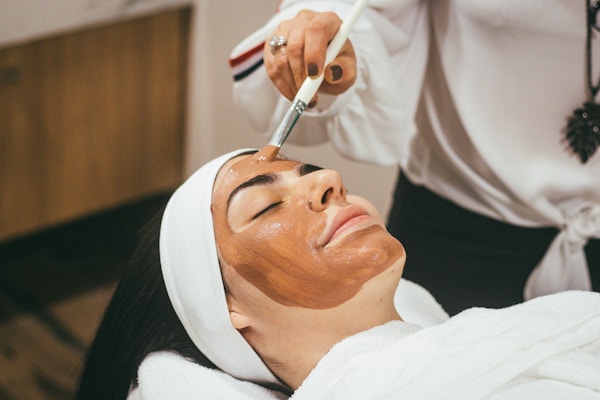
Combination skin needs lightweight, water-based serums that won't clog oily areas or dry out drier zones. Top picks: niacinamide 5% (regulates oil AND stre...

Learn how to identify your skin type and tailor your anti-aging routine accordingly. Discover the best ingredients and approaches for oily, dry, combination, sensitive, and normal skin.

Learn which anti-aging products belong in your morning routine vs evening routine, and why timing matters for maximum effectiveness.

Protect your skin from the accelerated aging effects of dry, arid climates with expert-backed hydration strategies, barrier repair techniques, and desert-proof anti-aging routines.

Learn why niacinamide (vitamin B3) is one of the most versatile anti-aging ingredients in skincare — from strengthening the skin barrier to reducing wrinkles, pores, and hyperpigmentation.

A complete beginner's guide to building an effective anti-aging skincare routine, from choosing products to layering them correctly.
Everything you need to know about treating hyperpigmentation, including the best topical ingredients, professional procedures, and prevention strategies for every skin tone.

You don't need expensive products to fight aging. Discover affordable anti-aging strategies that deliver real results without breaking the bank.

Explore the science behind how tropical humidity, monsoon seasons, and high-moisture environments affect skin aging, and learn how to adapt your anti-aging routine to humid climates.
A comprehensive guide to fading dark spots on your face using dermatologist-approved ingredients, professional treatments, and prevention strategies that deliver real results.
Common SPF myths that sabotage your anti-aging efforts: Myth 1—SPF 30 blocks 97% so SPF 50 isn't necessary (truth: SPF 50 blocks 98%, and the difference ma...

Cold weather can accelerate skin aging. Learn how to adapt your anti-aging routine for winter to prevent dryness, irritation, and damage.

Learn why elbow skin becomes dark, rough, and crepey with age, and discover the skincare routines and treatments that restore smooth, youthful elbows.

Protect and nourish your skin during summer with this anti-aging focused seasonal skincare guide covering SPF, hydration, and more.

A comprehensive guide to anti-aging skincare for melanin-rich skin, addressing hyperpigmentation, keloid risk, unique aging patterns, and culturally informed treatment approaches.

Streamlined anti-aging skincare routines designed for time-pressed mothers, delivering maximum results with minimal steps and realistic time commitments.

Copper peptides (GHK-Cu) stimulate collagen, promote wound healing, and remodel aging skin — learn the science, how to use them, and what to avoid combining them with.
How to choose the best sunscreen for mature, sensitive skin over 60, with dermatologist guidance on formulas, application, and common mistakes.

Peptide moisturizers contain signal peptides (like Matrixyl, copper peptides, argireline) that communicate with skin cells to stimulate collagen production...

How sun damage ages the shoulders and upper back, plus effective treatments for discoloration, rough texture, and skin laxity in these neglected areas.

Zinc is essential for skin repair, inflammation control, and sun protection — learn how this overlooked mineral supports anti-aging and how to use it topically and orally.

The neck and chest area often shows aging first. Learn how to prevent and treat wrinkles, sagging, and sun damage in the décolletage.

A dermatologist's guide to safe skincare during IVF and fertility treatments, including which products to keep, which to eliminate, and how to manage hormone-related skin changes.

Centella asiatica (cica) is a powerful botanical that soothes inflammation, boosts collagen, and repairs the skin barrier — discover the science behind this ancient remedy.
Hydrating toners are lightweight, water-based products that deliver humectants (hyaluronic acid, glycerin) and soothing ingredients (centella, panthenol) i...

Why the chest and décolletage age prematurely and the best treatments for chest wrinkles, crepiness, and sun damage—from skincare to laser therapy.

Epidermal Growth Factor (EGF) stimulates cell renewal and wound healing at the molecular level — explore the science, benefits, controversies, and best uses for aging skin.

Expert guidance on post-surgical skin recovery, scar management, and resuming anti-aging routines safely after cosmetic or medical procedures.
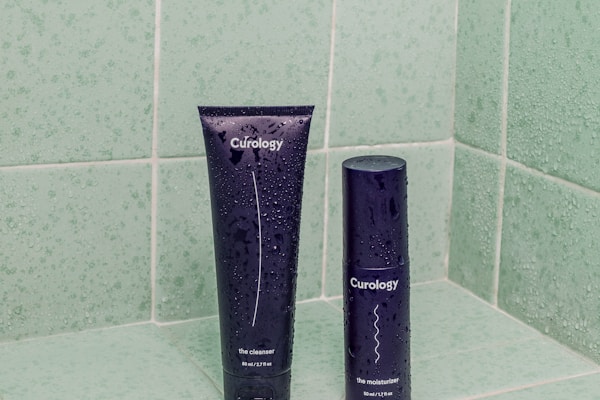
After 60, skin produces significantly less sebum and has a thinner, more fragile barrier. Use: cream or milk cleanser (never foaming or gel), no sodium lau...

Vaseline is the most effective occlusive (reduces TEWL by 98%) but lacks humectants and emollients that a complete moisturizer provides. It seals in existi...
Everything you need to know about hyaluronic acid — what it is, how different molecular weights work, common myths debunked, and how to use it effectively for maximum hydration.

How seniors over 60 can safely incorporate retinol into their skincare routine, with guidance on concentrations, application methods, and alternatives.