
Skincare
·4 min read
Best Sunscreen to Wear Under Makeup
The best sunscreens under makeup dry to a matte or satin finish, don't pill with makeup application, and provide SPF 30-50. Look for: silicone-based formul...
Trusted anti-aging guides backed by dermatological research
Browse our skincare articles and guides.
196 articles · Page 4 of 5
The best sunscreens under makeup dry to a matte or satin finish, don't pill with makeup application, and provide SPF 30-50. Look for: silicone-based formul...

Harsh makeup removal—rubbing with wipes, using alcohol-based removers, or scrubbing—creates friction damage and barrier disruption that accelerates aging. ...
Not all cleansers are equal when your skin is mature. Learn which face wash ingredients and formulas dermatologists recommend for aging skin.

If retinol burns your skin, stop application immediately and switch to a barrier-repair routine: gentle cleanser, ceramide moisturizer, and nothing else fo...
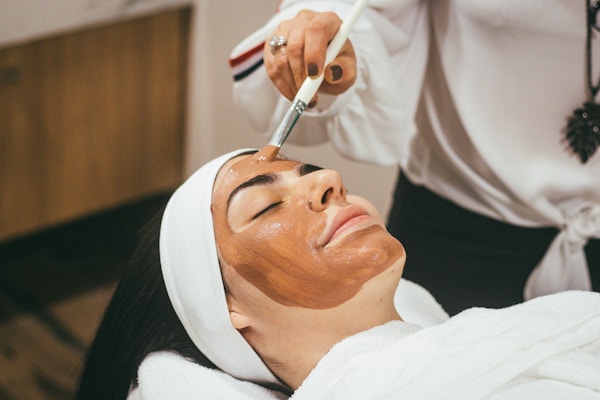
Most facial mists are overpriced water with trace minerals or botanicals. A thermal water mist (La Roche-Posay, Avène) can soothe post-procedure skin or re...

Look for: L-ascorbic acid at 10-20% (the most studied form), pH below 3.5 (ensures penetration), vitamins E and ferulic acid (stabilize and enhance efficac...
Sheet masks can temporarily hydrate and calm skin, but they are not a substitute for a consistent routine. Learn what they can and cannot do.
Choose retinol strength by experience, sensitivity, skin goals, and tolerance. Learn when to start low, when to increase, and when stronger is not better.
Skin cycling is a 4-night rotation: Night 1 (exfoliation—AHA/BHA), Night 2 (retinoid), Night 3 (recovery—moisturizer only), Night 4 (recovery—moisturizer o...
The tretinoin purge (retinization) typically lasts 4-8 weeks. During this period, accelerated cell turnover pushes existing microcomedones to the surface f...

Don't change your entire routine at once—swap one product at a time and give each change 8-12 weeks before evaluating. Reasons to adjust: seasonal changes ...

Niacinamide is gentle enough for daily use at concentrations up to 10%. Here's the complete guide to frequency and best practices.
Sensitive skin can use retinoids when the formula, strength, schedule, and barrier support are chosen carefully. Here is how to pick one that works.

Korean skincare has contributed several noteworthy anti-aging ingredients: snail mucin (hydration + wound healing), centella asiatica/cica (barrier repair ...
Micellar water uses surfactant micelles suspended in water to trap dirt, oil, and makeup without rubbing. It's extremely gentle—ideal for sensitive or frag...

Despite widespread belief, petroleum jelly is rated 0 on the comedogenicity scale—it does not clog pores. Its molecular size is too large to penetrate into...
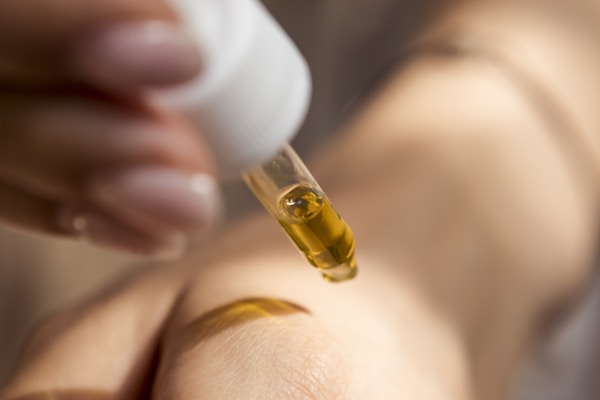
Both lactic and glycolic acid are alpha-hydroxy acids that resurface skin, but they differ in molecular size, penetration depth, and side effect profile. Choosing between them depends on sensitivity, pigmentation, texture, dryness, and how much irritation your skin can tolerate.
Choose a moisturizer by matching humectants, emollients, and occlusives to your skin type, climate, age, and active ingredients.
Ferulic acid helps stabilize vitamin C and vitamin E, improves antioxidant protection, and can make a morning anti-aging routine more effective when used correctly.
Chemical sunscreens absorb UV and convert it to heat (avobenzone, homosalate, octisalate). Mineral sunscreens deflect UV physically (zinc oxide, titanium d...
Vitamin C and retinol can belong in the same routine, but timing, formula choice, skin tolerance, and sunscreen determine whether the pairing helps or irritates.
Yes—a gentle morning cleanse removes overnight sebum, sweat, dead cells, and residual evening products. This ensures your morning actives (vitamin C, SPF) ...
Retinol purging is real but temporary. Learn how to distinguish purging from a breakout, how long it lasts, and dermatologist tips for getting through it.
Apply moisturizer first, let it absorb for 1-2 minutes, then apply sunscreen as the final skincare step. Sunscreen needs to form an unbroken film on the sk...
Absolutely. The neck and chest (décolletage) receive significant UV exposure and have thinner skin than the face, making them highly susceptible to photoag...
Encapsulated retinol wraps the retinol molecule in a protective shell (liposome, microsphere, or polymer) that breaks down gradually in the skin, deliverin...

Chemical exfoliants (AHAs like glycolic and lactic acid, BHAs like salicylic acid) dissolve the bonds holding dead cells to the skin surface, promoting smo...
Always apply vitamin C serum before sunscreen. Here's why the order matters and how to maximize both products.
Yes—as long as the serums are compatible and applied thinnest-to-thickest. Common effective combinations: vitamin C + hyaluronic acid (morning), niacinamid...
The 'bare-face method': wash your face with a gentle cleanser, pat dry, and wait 1 hour without applying anything. After 1 hour: shiny all over = oily; tig...

Perioral wrinkles form from repeated lip movements (talking, drinking, pursing), collagen loss in the thin perioral skin, UV exposure, and smoking (the sin...
Mineral sunscreen white cast can be reduced with tinted formulas, better zinc oxide textures, smart application, and skin-tone-aware shopping.
Retinaldehyde (retinal) is one step closer to retinoic acid in the conversion pathway than retinol, making it 11x more bioactive according to in-vitro stud...
Bakuchiol is a plant-derived compound (from Psoralea corylifolia) that activates similar gene pathways as retinol without the retinoid receptor. A 2019 Bri...

An anti-aging lip balm should contain: SPF 30+ (lips have minimal melanin and burn easily), ceramides or shea butter (barrier repair), peptides (collagen s...
A quality anti-aging night cream should contain: ceramides (barrier repair during sleep), peptides (collagen stimulation), niacinamide (barrier strength + ...
Double cleansing—oil-based cleanser followed by water-based cleanser—ensures thorough removal of sunscreen, makeup, pollution, and sebum without aggressive...
Rosemary extract contains carnosic acid and rosmarinic acid—potent antioxidants with anti-inflammatory properties in laboratory studies. However, undiluted...
The order you apply skincare products directly affects their effectiveness. Learn the correct layering sequence for both morning and evening routines.
Double cleansing can help remove sunscreen, makeup, and heavy residue, but not everyone needs it. Learn who benefits, how to do it, and when to skip it.
Cica (short for Centella asiatica) cream contains the plant's four active compounds: asiaticoside, madecassoside, asiatic acid, and madecassic acid. These ...
Squalane is a lightweight, non-comedogenic oil that mimics your skin's natural sebum (squalene, its precursor, makes up 12% of human sebum production, decl...
Purging occurs only with cell-turnover-accelerating ingredients (retinoids, AHAs, BHAs) and manifests as small whiteheads/comedones in your USUAL breakout ...

Yes—improperly used derma rollers can cause: infection (non-sterile needles), scarring (too much pressure or too-long needles), hyperpigmentation (irritati...
Tretinoin works best in a simple routine built around barrier support, sunscreen, and patient frequency increases. Here's how to use it without wrecking your skin.
Sunscreen pilling under makeup happens when formulas are chemically incompatible (silicone-based SPF under water-based foundation or vice versa). Solutions...
Snail mucin (secretion filtrate) contains glycosaminoglycans, hyaluronic acid, glycoprotein enzymes, copper peptides, and allantoin—all ingredients with in...

Hormonal acne and aging skin need a balanced plan: calm breakouts, protect the barrier, use retinoids carefully, and know when medical treatment is needed.