
Skincare
·3 min read
How to Fade Acne Scars: Fastest Methods Ranked
For red/brown post-acne marks (PIH/PIE): topical treatments work—vitamin C, niacinamide, azelaic acid, and retinol can fade marks in 3-6 months. For indent...
Trusted anti-aging guides backed by dermatological research
Browse our skincare articles and guides.
296 articles · Page 6 of 7
For red/brown post-acne marks (PIH/PIE): topical treatments work—vitamin C, niacinamide, azelaic acid, and retinol can fade marks in 3-6 months. For indent...

Always apply vitamin C serum before sunscreen. Here's why the order matters and how to maximize both products.
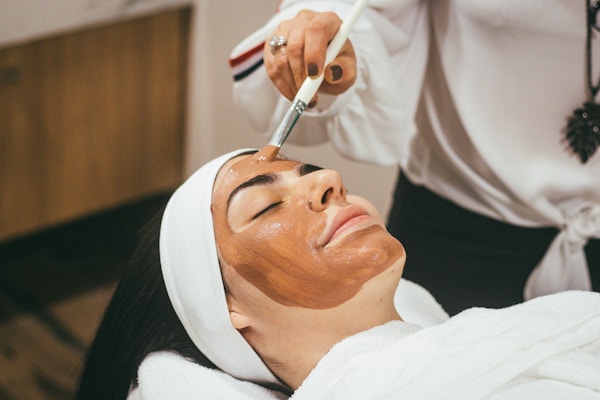
Serums are lightweight, concentrated formulations designed to deliver active ingredients deep into the skin. Moisturizers are heavier formulations that hyd...
Yes—as long as the serums are compatible and applied thinnest-to-thickest. Common effective combinations: vitamin C + hyaluronic acid (morning), niacinamid...

The 'bare-face method': wash your face with a gentle cleanser, pat dry, and wait 1 hour without applying anything. After 1 hour: shiny all over = oily; tig...

Chemical exfoliation with AHAs (glycolic, lactic, mandelic acid) and BHAs (salicylic acid) removes dead cells that accumulate faster as you age, revealing ...
Perioral wrinkles form from repeated lip movements (talking, drinking, pursing), collagen loss in the thin perioral skin, UV exposure, and smoking (the sin...
Mineral sunscreens (zinc oxide and titanium dioxide) provide excellent broad-spectrum protection without the systemic absorption concerns of some chemical ...

Retinaldehyde (retinal) is one step closer to retinoic acid in the conversion pathway than retinol, making it 11x more bioactive according to in-vitro stud...
Bakuchiol is a plant-derived compound (from Psoralea corylifolia) that activates similar gene pathways as retinol without the retinoid receptor. A 2019 Bri...
Everything you need to know about centella asiatica in skincare—how it works, the best concentration, who it's for, and how to use it in your routine.

Everything you need to know about alpha arbutin in skincare—how it works, the best concentration, who it's for, and how to use it in your routine.

An anti-aging lip balm should contain: SPF 30+ (lips have minimal melanin and burn easily), ceramides or shea butter (barrier repair), peptides (collagen s...
Mature skin needs a moisturizing sunscreen that doesn't settle into wrinkles or accentuate dry patches. Look for: SPF 50 broad-spectrum, cream or lotion te...

Clinical evidence supports oral collagen peptides (10-15g daily) for modest improvements in skin hydration and elasticity. A 2019 meta-analysis of 11 studi...
Use a mineral SPF powder, a cushion compact sunscreen, or a sunscreen mist designed for touch-ups over makeup. Press—don't rub—to maintain your makeup. For...
Post-menopause skin needs more moisture, stronger actives, and gentler treatment. Build the right routine for your 50s with this guide.
A quality anti-aging night cream should contain: ceramides (barrier repair during sleep), peptides (collagen stimulation), niacinamide (barrier strength + ...
Double cleansing—oil-based cleanser followed by water-based cleanser—ensures thorough removal of sunscreen, makeup, pollution, and sebum without aggressive...

Rosemary extract contains carnosic acid and rosmarinic acid—potent antioxidants with anti-inflammatory properties in laboratory studies. However, undiluted...
The order you apply skincare products directly affects their effectiveness. Learn the correct layering sequence for both morning and evening routines.
A skin fast involves stopping all skincare products for a period (typically 3-7 days) to "reset" the skin. Proponents claim it allows natural oils to rebal...
Dermatologist-backed strategies to address thin, fragile skin on the arms that bruises and tears easily. Learn about the best ingredients, treatments, and daily habits.

Everything you need to know about peptide complex in skincare—how it works, the best concentration, who it's for, and how to use it in your routine.
Double cleansing—an oil-based cleanser followed by a water-based one—originated in Korean skincare and has become a global practice. But is it actually nec...
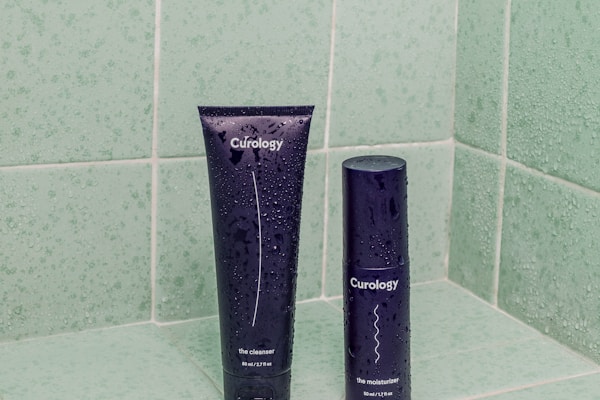
Cica (short for Centella asiatica) cream contains the plant's four active compounds: asiaticoside, madecassoside, asiatic acid, and madecassic acid. These ...
Squalane is a lightweight, non-comedogenic oil that mimics your skin's natural sebum (squalene, its precursor, makes up 12% of human sebum production, decl...
Purging occurs only with cell-turnover-accelerating ingredients (retinoids, AHAs, BHAs) and manifests as small whiteheads/comedones in your USUAL breakout ...
Apply retinol to completely DRY skin—wait 10-15 minutes after washing. Wet or damp skin absorbs retinol faster and deeper, which sounds beneficial but actu...
Without moisturizer, transepidermal water loss (TEWL) increases, leading to chronic dehydration, compromised barrier function, increased sensitivity, and p...

Yes—improperly used derma rollers can cause: infection (non-sterile needles), scarring (too much pressure or too-long needles), hyperpigmentation (irritati...
Ingredients that can worsen aging skin: alcohol denat (barrier stripping), fragrance/parfum (sensitization risk), menthol and camphor (irritation), sodium ...
Tretinoin is the most potent topical retinoid available by prescription, and it demands a supporting cast of products that protect and repair the barrier w...
Body skin ages too—especially sun-exposed arms, legs, and chest. Look for body lotions containing: retinol (collagen stimulation), AHA/glycolic acid (textu...

Milia are tiny keratin-filled cysts that appear as hard white bumps, commonly around the eyes. They form when dead skin cells become trapped beneath the su...
Sunscreen pilling under makeup happens when formulas are chemically incompatible (silicone-based SPF under water-based foundation or vice versa). Solutions...
Zinc oxide provides true broad-spectrum protection (UVA + UVB) with a single ingredient. Titanium dioxide primarily protects against UVB and short-wave UVA...
Snail mucin (secretion filtrate) contains glycosaminoglycans, hyaluronic acid, glycoprotein enzymes, copper peptides, and allantoin—all ingredients with in...
Dermatologist-backed strategies to address dark spots and hyperpigmentation. Learn about the best ingredients, treatments, and daily habits.
A 2019 British Journal of Dermatology study found bakuchiol comparable to retinol for reducing wrinkles and pigmentation after 12 weeks, with significantly...
Everything you need to know about bakuchiol in skincare—how it works, the best concentration, who it's for, and how to use it in your routine.
Dealing with breakouts AND wrinkles simultaneously is one of the most frustrating skin situations—and it's extremely common, especially for women in their ...
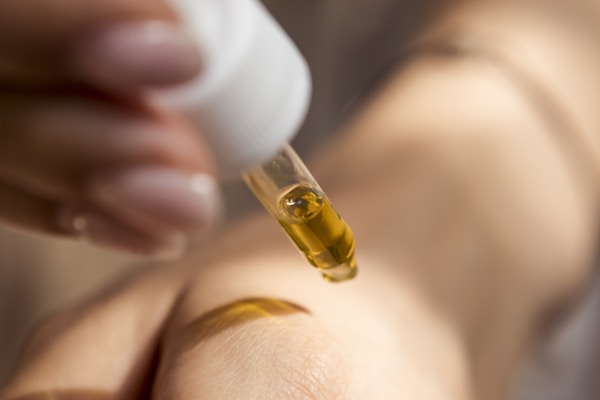
Glycolic acid at 5-10% concentration used 2-3 times per week effectively exfoliates dead cells, stimulates collagen synthesis, and improves skin texture an...
Both glycerin and hyaluronic acid are humectants—ingredients that attract and hold water in the skin. They're the two most commonly used hydrating ingredie...
The most effective eye cream ingredients are: retinol (0.025-0.3%, reduces fine lines), caffeine (temporarily reduces puffiness by constricting blood vesse...
Which Korean skincare products actually move the needle for anti-aging? These K-beauty brands and ingredients have real clinical evidence — the rest of the 10-step routine is skippable.

Vitamin C serums degrade quickly. Learn how to spot oxidation, what causes it, and how to store your serum to maximize its potency and shelf life.
The best moisturizer for dry skin and aging skin combines ceramides, hyaluronic acid, squalane and a humectant base. Here's exactly which ingredients to look for — and which to skip.